🎯About ACT-CHIK
📢Project Overview
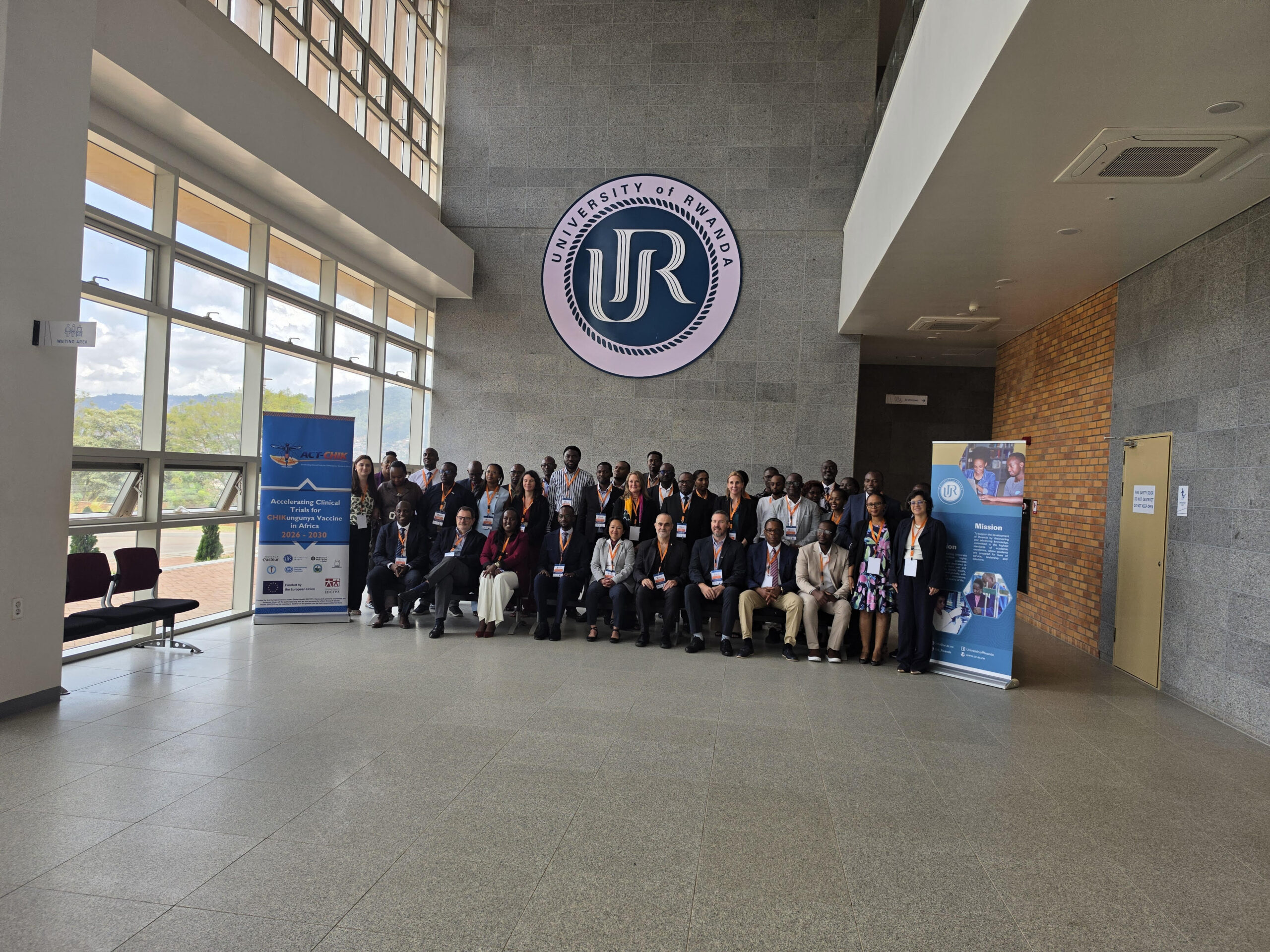
Accelerating Clinical Trials for Chikungunya Vaccine in Africa (ACT-CHIK) brings together leading research institutions from Africa, Europe, Latin America, and Asia to accelerate the development of the MV-CHIK chikungunya vaccine and strengthen Africa’s capacity to conduct advanced clinical trials and manufacture vaccines.
ACT-CHIK is an international research project focused on improving protection against chikungunya, a mosquito-borne disease that continues to affect millions of people worldwide. The project works to generate the evidence needed to support the safe and effective use of a chikungunya vaccine while building long-term research and public health capacity across Africa.
🤝Funding
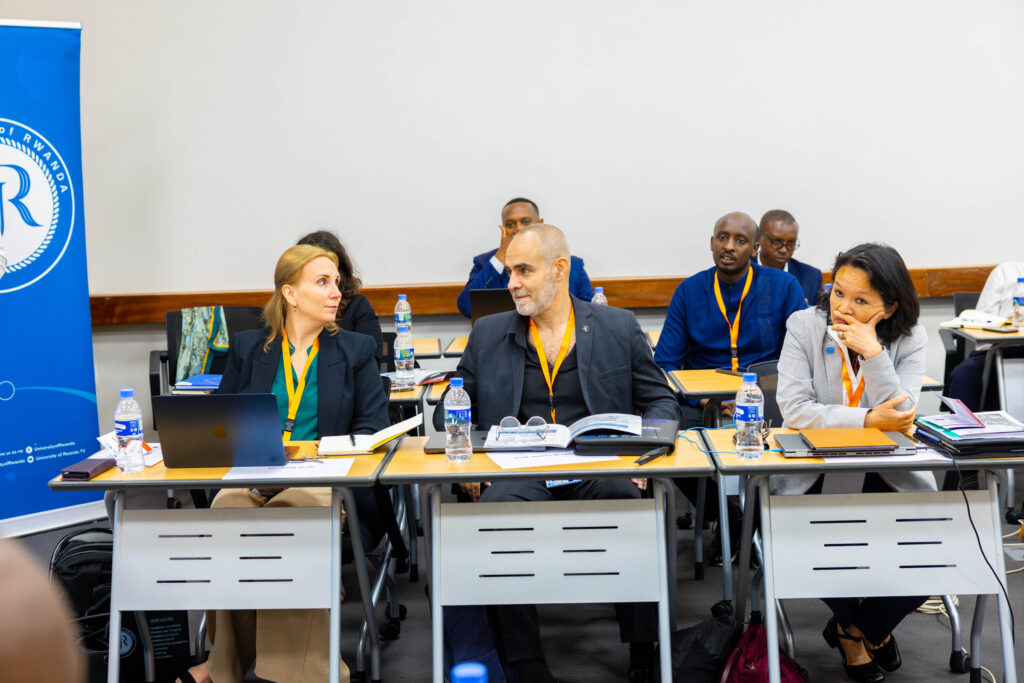
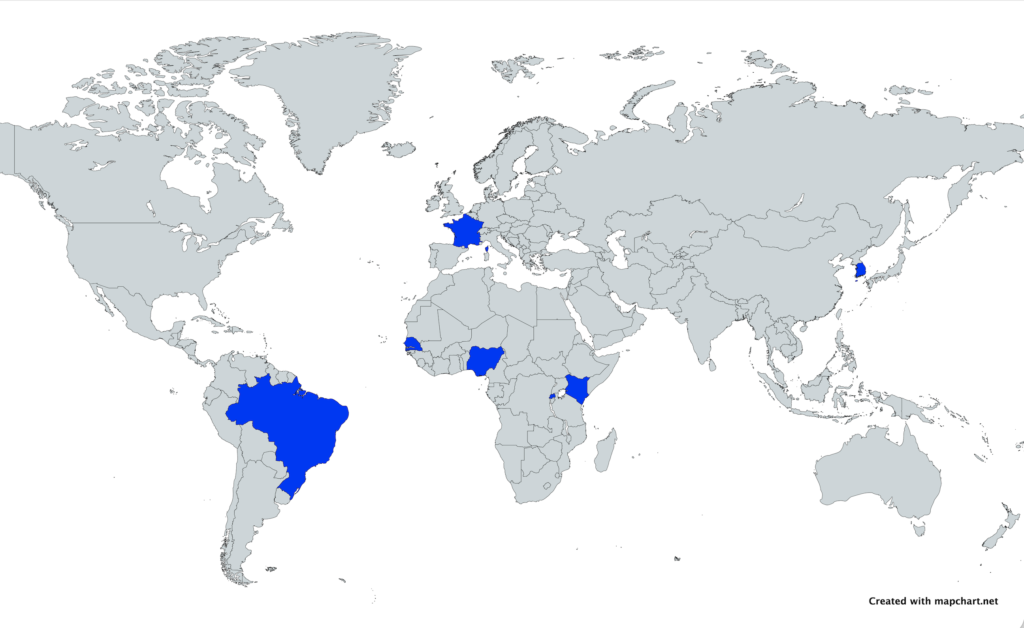
The project is funded by the Global Health EDCTP3 Joint Undertaking under the Horizon Europe Programme, with a total budget of €15.93 million, including an EU contribution of €15.3 million. ACT-CHIK will run for 48 months (2026–2030) and involves seven partner institutions from seven countries.
🌍Countries
Clinical trial activities will take place in Rwanda, Kenya, Nigeria, and Senegal, helping to strengthen research infrastructure, regulatory systems, and scientific expertise in these countries. Through collaboration, training, and knowledge sharing, the project aims to improve Africa’s preparedness and capacity to prevent, detect, and respond to Chikungunya outbreaks through collaborative clinical research and vaccine development.
🎯Project Goals
By the end of the project, ACT-CHIK aims to create a clear pathway for the manufacturing and licensing of the MV-CHIK vaccine in Africa. The project also seeks to transfer vaccine technology and strengthen local expertise, helping Africa become a leader in vaccine development, outbreak preparedness, and response to future pandemic threats.:
🦟Why Chikungunya Matters
🌍Understanding the Disease
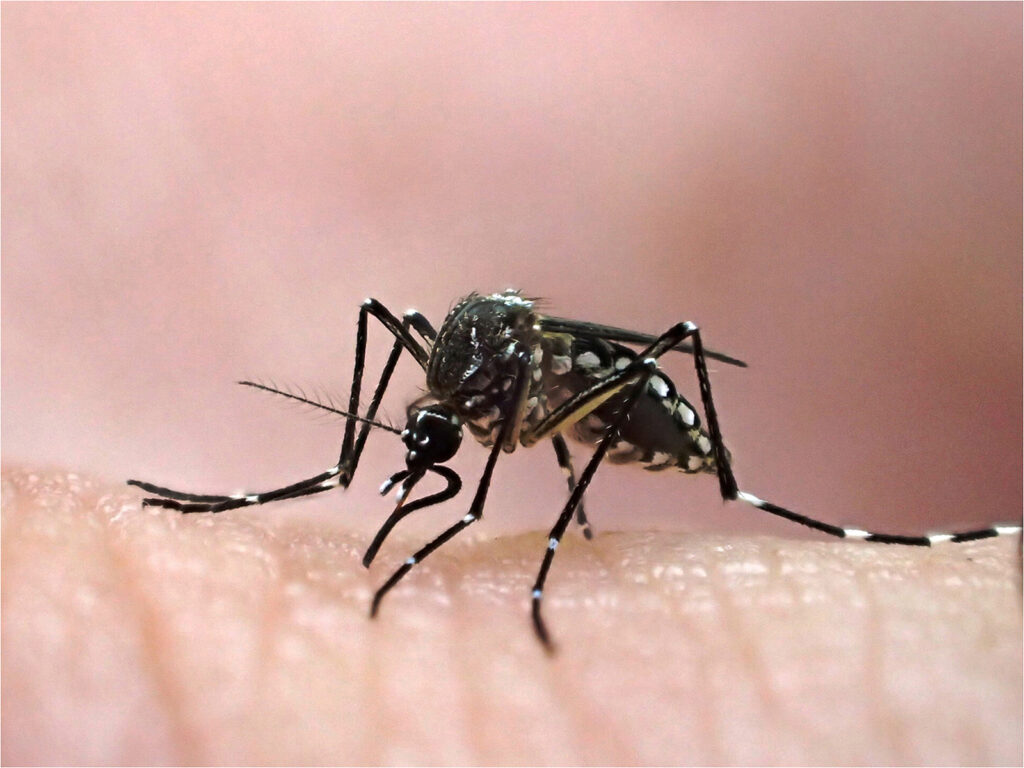
Chikungunya is a viral disease spread to people by the bite of infected Aedes mosquitoes – the same mosquitoes that transmit dengue and Zika.The name ”Chikungunya” comes from a word meaning ”to become contorted”, describing the stooped posture of sufferers.
📍Symptoms
- Sudden high fever and severe joint pain, often in the hands and feet.
- Headache, muscle pain, swelling and rash.
- Joint pain can be debilitating and may last for weeks, months or even years.
🌐A Growing Global Threat
- Reported in over 110 countries across Africa, Asia and the Americas.
- Large outbreaks can infect a high share of a community within weeks, overwhelming health services.
- A warming climate and expanding mosquito habitats are pushing the disease into new regions.
🛡️Why It Matters In Africa
There is no specific treatment for chikungunya and access to a vaccine remains limited where the burden is highest . Building clinical-trial and manufacturing capacity in Africa is key to protecting communities and improving outbreak preparedness.
🌡️The MV-CHIK Vaccine

🌍How It Works
Globally, chikungunya vaccines remain scarce: of the two recently licensed in the US and Europe, one had its US licence suspended in 2025, leaving very limited options for outbreaks.
ACT-CHIK advances MV-CHIK, a promising candidate developed by Institut Pasteur in Paris. It is a live-attenuated, recombinant vaccine that uses a weakened measles-vaccine virus as a vector to carry chikungunya proteins and trigger protective immunity.
📍Previous Trials
Across six earlier Phase I/II trials, around 600 adults received the vaccine in both endemic and non-endemic regions, with encouraging safety and immune-response results- the foundation this project now builds on in Africa.